Establishing Trust Within Your Online Camping Tents Profit Venture Marketing And Selling Camping Tents
Just How to Check Water-proof Outdoor Camping Products
When you're deep in the backcountry with rainfall hammering your camping tent and water sneaking toward your sleeping bag, you'll want you had tested your gear before leaving home. Waterproofing cases on outdoor camping tools differ hugely, and makers don't always tell the full tale. The bright side is that checking your equipment is straightforward, needs no special equipment, and can save you from an unpleasant, soaked evening in the wild.
Recognizing Water Resistant Rankings
Before you start screening, it helps to recognize what water resistant ratings really mean. A lot of camping gear makes use of a measurement called the Hydrostatic Head (HH) ranking, expressed in millimeters. This number informs you how high a column of water the fabric can hold up against before it begins to leak. A ranking of 1,500 mm is thought about water-resistant, 2,000 mm to 3,000 mm appropriates for moderate rainfall, and anything above 5,000 mm is genuinely water-proof for heavy rainstorms.
Keep in mind that seams, zippers, and used areas are always the weakest factors, despite the textile rating. An outdoor tents with a 10,000 mm floor score can still flooding if the seams aren't taped or secured properly.
Basic Home Tests You Can Do Today
The Yard Hose Pipe Examination for Tents
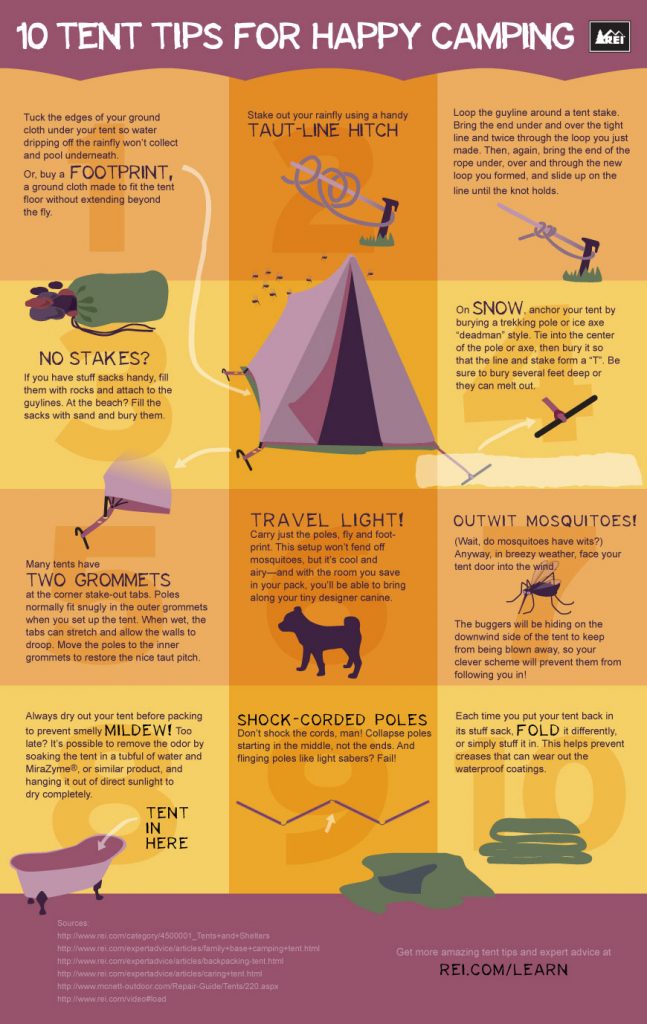
Set your camping tent up in the yard and run a garden pipe over it for at least ten to fifteen minutes, imitating stable rainfall. Make use of a modest pressure-- not a high-power spray, but a regular, also flow. Creep inside while another person runs the hose and feel along the joints, corners, and around any type of zippers or vents. Moisture looking like wetness on the internal textile is a warning sign. Real drips mean you require to reapply seam sealant or a waterproofing spray prior to your trip.
Pay close attention to the flooring. Press your hands flat against it while the outdoor tents is wet outside. Any kind of wetness moving through signals that the flooring covering is derogatory and requires therapy.
The Spray Test for Jackets and Rainfall Equipment
Load a spray bottle with water and mist your rainfall jacket or coat from about twelve inches away. On correctly waterproofed textile, water needs to grain up promptly and roll off in tidy droplets. If the water soaks right into the surface area and darkens the fabric-- a phenomenon called "wetting out"-- the Durable Water Repellent (DWR) finish has worn down and requires to be freshened.
You can bring back DWR performance by cleaning the coat with a technical cleaner and tumble drying out on reduced heat, or by applying a DWR spray or wash-in therapy. Retest after treatment to verify it functioned.
The Submersion Test for Dry Bags and Stuff Sacks
Fill your completely dry bag with something absorbent, like a paper towel or a handful of completely dry rice. Seal it according to the producer's guidelines, then submerge it in a bath tub or huge bucket glamping platform for thirty minutes. Remove it and inspect whether the contents are dry. If you utilized paper towels, any kind of moisture will be quickly evident. This examination additionally works well for water resistant phone situations and map bags.
Evaluating Resting Bags and Insulation
Resting bags don't offer themselves to submersion tests, yet you can evaluate the covering material using the spray container method explained over. Down sleeping bags are specifically at risk since damp down sheds nearly all its protecting ability, making water-proof or water-resistant coverings particularly important.
For bags with an artificial fill, gently haze the outer shell and observe how water behaves. If the fabric wets out quickly, take into consideration saving your bag inside a completely dry bag throughout transportation and maintaining it well off the ground inside your camping tent.
Field Testing Before a Big Trip
The most dependable method to examine your gear is to do a brief over night trip close to home before committing to a longer expedition. Pick an evening when rainfall is anticipated and treat it as a dress rehearsal. Sleep in your outdoor tents, use your rainfall coat on a long walk, and use your gear specifically as you would in the backcountry.
Make note on where wetness appears and deal with each issue before your main trip. This sort of real-world testing catches troubles that tub and garden hose pipe tests can sometimes miss out on, specifically pertaining to condensation, seam positioning, and exactly how gear performs under extensive direct exposure.
Preserving Waterproofing In Time
Waterproofing is not a single attribute-- it deteriorates with UV exposure, dust, abrasion, and duplicated use. Enter into the routine of reapplying seam sealant to your camping tent once a period, revitalizing DWR layers on your coats annually, and inspecting zippers for signs of wear. Store gear tidy and dry, and avoid leaving it pressed or packed for expanded periods when not in use.
Examining and preserving your waterproof outdoor camping materials takes just a little investment of time, yet the benefit is enormous. Dry equipment implies safer, a lot more comfortable adventures-- which's worth every minute of preparation.